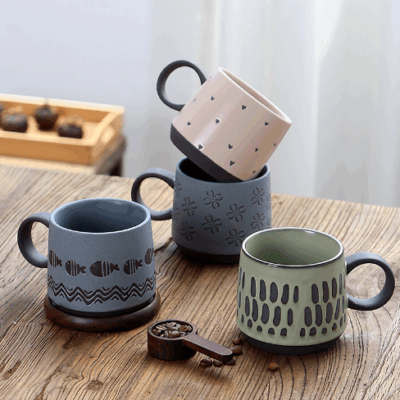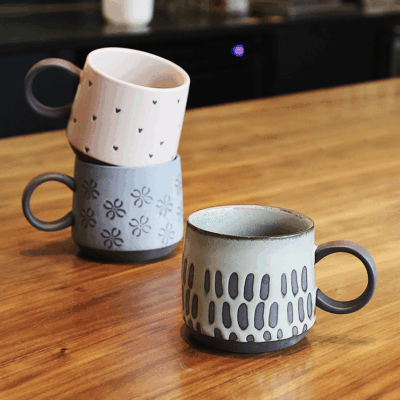
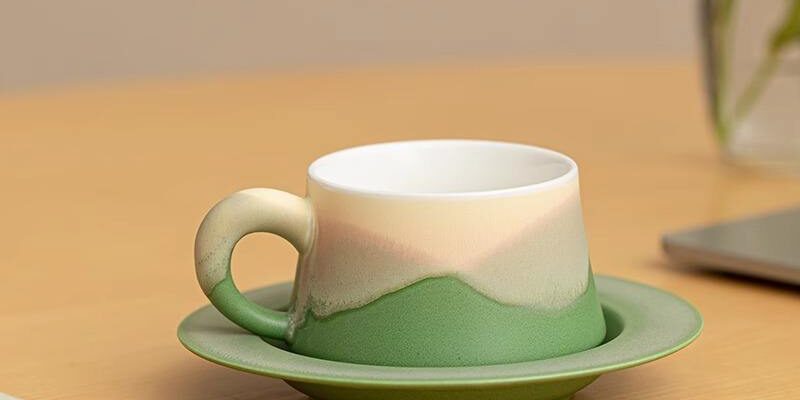
In the global drinkware market, food-contact compliance is non-negotiable. Every ceramic mug that touches a consumer’s lips must meet strict safety standards to prevent harmful chemical migration from glazes, inks, or coatings. For importers, distributors, and brand owners, understanding key regulations like FDA, LFGB, and California Proposition 65 ensures both legal compliance and consumer trust.
🧪 Why Compliance Matters in Ceramic Mugs
Ceramic mugs come into direct contact with beverages—hot, acidic, or alcoholic—making them subject to the world’s most rigorous food safety standards. Non-compliant glazes may leach trace metals such as lead, cadmium, or nickel over time.
Choosing an experienced Ceramic Mug Manufacturers partner guarantees the use of lead-free, cadmium-free raw materials and tested firing processes. This prevents contamination during production and meets all major export requirements for the EU and North America.
🇺🇸 FDA (Food and Drug Administration) Requirements
The U.S. FDA regulates ceramic mugs under 21 CFR Part 175–178, covering substances intended for food contact. Manufacturers must ensure that:
-
The glaze formulation contains no harmful heavy metals.
-
Migration levels remain below permissible limits after repeated washing and exposure to acidic liquids.
-
Surface coatings and decals use FDA-approved pigments and resins.
For U.S. importers, FDA testing is typically performed at accredited labs. Reports must confirm that no hazardous elements migrate beyond the established thresholds under conditions simulating real use (hot coffee, tea, or acidic beverages).
🇩🇪 LFGB (Lebensmittel-, Bedarfsgegenstände- und Futtermittelgesetzbuch)
Germany’s LFGB regulation is one of the most comprehensive frameworks for evaluating food-contact materials in the EU. It requires that ceramic mugs pass overall migration tests using acidic simulants like acetic acid.
Unlike FDA, which focuses primarily on chemical safety, LFGB also examines odor and taste neutrality—ensuring the mug does not alter the beverage’s flavor. Products labeled “LFGB-tested” signal a high level of consumer safety and are recognized across the EU.
Factories specializing in ceramic mug wholesale production frequently maintain LFGB certification for their glaze recipes, giving importers peace of mind when selling into European markets.
🇪🇺 EU Framework and REACH Compliance
Beyond LFGB, all ceramic mugs sold in Europe must comply with the EU Framework Regulation (EC) No 1935/2004 and REACH chemical registration. These directives ensure traceability from raw materials to finished products and ban the use of restricted substances.
Suppliers must provide a Declaration of Compliance (DoC) and maintain a documented traceability system covering glaze, pigment, and coating batches. This transparency builds trust and simplifies customs clearance during import.
☢️ California Proposition 65
Prop 65, unique to the U.S. state of California, mandates warning labels for products that contain chemicals known to cause cancer or reproductive harm. Even trace amounts can trigger labeling requirements.
Mug producers must ensure that pigments, glazes, and decals contain no substances listed under Prop 65—such as lead, cadmium, or certain organic solvents. Regular testing and certification from California-approved labs protect brands from costly fines and reputational damage.
🧾 Testing Methods and Quality Assurance
Testing typically covers:
-
Heavy metal migration (lead, cadmium, barium, etc.)
-
Thermal stability after repeated heating cycles
-
Dishwasher resistance for print and glaze adhesion
-
Acidic simulant exposure to replicate coffee or juice conditions
Each batch receives a lot number and retention sample, ensuring traceability. Reputable suppliers repeat these tests periodically or after any formula or process change.
🌱 Eco-Friendly and Health-Focused Glazes
Modern consumers expect safety and sustainability. Many factories now use water-based or low-VOC glaze systems and source pigments that comply with both FDA and LFGB simultaneously. Some also replace traditional decals with digital printing using food-safe inks, eliminating solvent residues entirely.
Partnering with eco-conscious suppliers helps brands appeal to both regulatory bodies and environmentally aware consumers.
🧭 Importer’s Checklist for Food-Contact Compliance
-
Request FDA and LFGB test reports for the specific product line, not just general certificates.
-
Confirm Prop 65 compliance for any product intended for the U.S. market.
-
Ensure traceability documentation for glazes, decals, and raw materials.
-
Ask for DoC (Declaration of Compliance) and testing dates.
-
Re-test annually or when production batches or materials change.
Following these steps guarantees consistent safety and smooth customs clearance in international trade.
🏁 Final Thoughts
Food-contact compliance is the foundation of trust between manufacturer and consumer. By working with globally certified factories, brands can ensure their ceramic mugs meet all major international standards.
Reliable ceramic mug manufacturers not only deliver stunning products but also uphold the highest safety benchmarks—combining craftsmanship, regulation, and peace of mind for every sip.