When building a new drinkware line, one of the first choices designers and sourcing teams face is material: ceramic or glass? Both offer elegance and versatility, but their performance and branding potential differ dramatically. Whether you run a café, retail brand, or promotional business, knowing these differences can save you money—and elevate your product quality.
☕ Material Fundamentals: Clay vs Silica
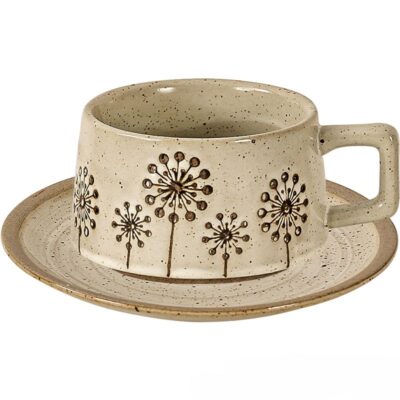
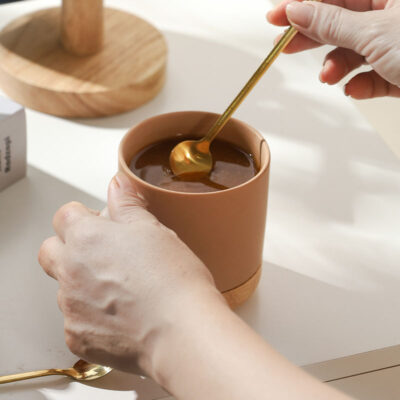
Ceramic mugs are produced from refined clay and fired at high temperatures, creating a dense, opaque body. Their composition gives them superior insulation and a handcrafted feel that resonates with premium branding.
Glass mugs, in contrast, are made from molten silica sand combined with soda and lime. They’re valued for their transparency, allowing the beverage to become part of the visual experience—perfect for layered coffees, teas, and juices.
To access reliable shapes and consistent quality, many importers collaborate directly with trusted Glass Mugs Manufacturers who specialize in borosilicate and tempered glass production.
🔥 Thermal Performance and Insulation
Ceramic retains heat exceptionally well. Its dense body absorbs and radiates warmth slowly, keeping drinks hot for longer periods—ideal for cafés serving lattes or cappuccinos.
Glass, while elegant, conducts heat more rapidly. Unless double-walled, it cools beverages faster and can be uncomfortable to hold if the drink is too hot. However, borosilicate glass addresses this issue with better thermal resistance, making it safe for both hot and cold beverages.
High-quality Ceramic Mug Manufacturers ensure consistent wall thickness and firing temperature, improving both heat retention and structural integrity for professional use.
💎 Aesthetic Appeal and Visual Experience
The visual impact of glass mugs is unmatched. Customers love seeing the gradient of espresso layers or the swirl of milk and foam. Glass conveys modern minimalism and pairs perfectly with sleek, contemporary branding.
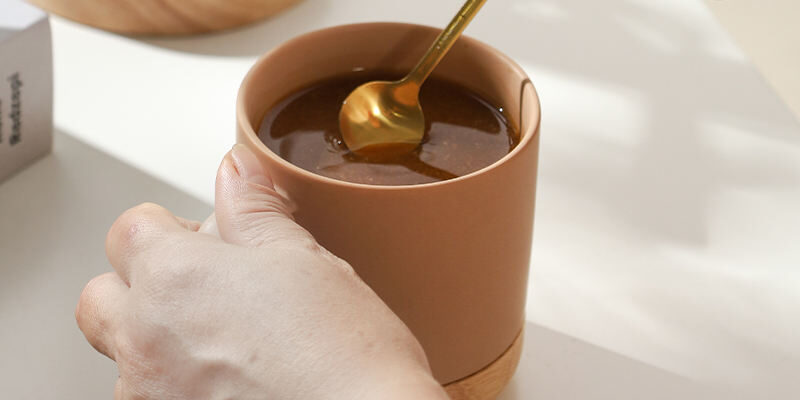
Ceramic, on the other hand, offers tactile charm. Its textured glazes, matte finishes, and natural tones convey warmth and authenticity—qualities valued by artisanal and sustainable brands. While glass communicates transparency and modernity, ceramic evokes comfort and craftsmanship. The right choice depends on your target market and brand identity.
🎨 Branding and Customization
When it comes to customization, ceramic mugs provide greater flexibility. They can be pad printed, decal transferred, laser engraved, or embossed with brand logos or artwork. The glaze surface allows for full-color printing and long-lasting finishes that survive repeated washing.
Glass customization is more limited due to its smooth, non-porous surface. Most branding is achieved through frosting, etching, or single-color screen printing, suitable for minimalist designs. For retail programs requiring large, colorful prints, ceramic remains the preferred material.
🧪 Durability and Maintenance
Durability often depends on the intended usage environment.
-
Ceramic mugs are chip-resistant and ideal for indoor hospitality use, but they can crack if dropped on hard surfaces.
-
Glass mugs, particularly tempered or borosilicate versions, are surprisingly strong but may shatter under impact.
Both materials are dishwasher-safe, though ceramic glazes tend to hide micro-scratches better over time. Hotels and cafés typically favor ceramic for its robustness and consistent performance under heavy use.
🌱 Sustainability and Production Impact
Sustainability-minded buyers evaluate not only product durability but also production footprint.
-
Ceramic production consumes more energy during firing but results in long-lasting products with decades of usability.
-
Glass manufacturing, though slightly less energy-intensive per unit, often involves recycled materials and lower defect rates.
Both materials are non-toxic, recyclable, and free of BPA, making them compliant with modern sustainability goals. The final environmental score depends on local recycling and packaging strategies.
🏷️ Pricing and Market Position
Ceramic mugs offer broad pricing flexibility—from affordable promotional options to high-end artisanal collections. Their tooling and mold costs are moderate, and unit pricing scales efficiently with volume.
Glass mugs are generally positioned as mid-to-premium products. Double-walled versions, borosilicate grades, and specialized etching techniques can raise costs, but they deliver elevated aesthetics and premium perception in retail and gift channels.
📦 Choosing Based on Use Case
| Application | Recommended Material | Rationale |
|---|---|---|
| Café Service | Ceramic | Better heat retention, customizable branding |
| Retail Gift Sets | Glass | Visual appeal and perceived value |
| Office/Corporate Gifting | Ceramic | Durable, widely printable surface |
| Specialty Drinks / Cold Brew | Glass | Transparency for presentation |
Selecting the right material often means aligning product function with branding strategy. A café may choose ceramic for consistency and warmth, while a lifestyle brand might choose glass for visual storytelling and modern appeal.
🏁 Final Thoughts
Both ceramic and glass mugs play essential roles in today’s drinkware industry. Ceramic offers durability, warmth, and creative flexibility, while glass delivers visual elegance and a modern edge.
For long-term procurement success, balance practicality with design intent. Partnering with specialized ceramic and glass mug manufacturers ensures precise quality control, reliable sourcing, and scalable customization for every market segment.
Whether you choose ceramic’s comfort or glass’s clarity, understanding their unique strengths lets you build a product line that resonates with both customers and brand values.